
Catalogue

Accessories

Affiliates

Blogs

More

What is Shoemaking? A Step-by-Step Guide

What is Shoemaking? A Step-by-Step Guide

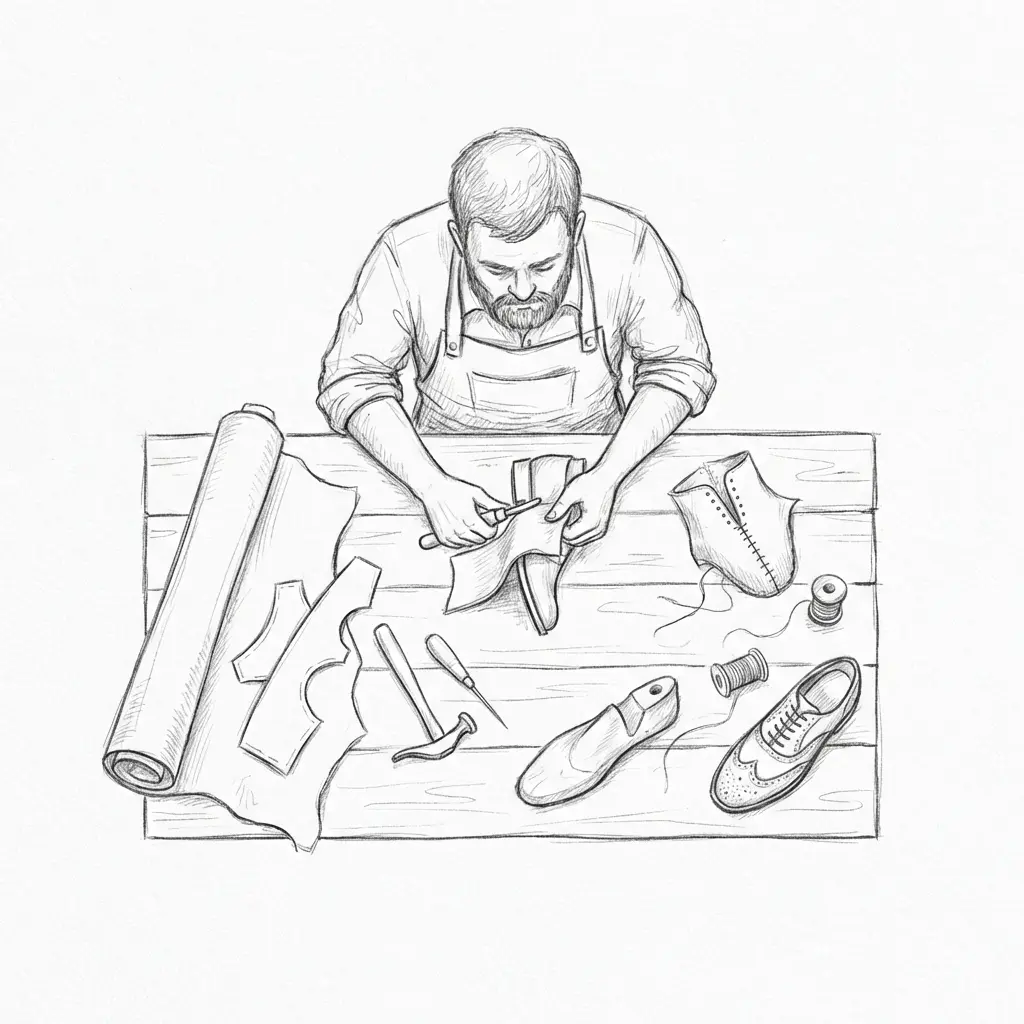
Shoemaking is the art of turning an idea into a beautiful, wearable pair of shoes. It’s a mix of creativity, skill, and precision. From the first sketch to the final polish, every step plays a key role in creating shoes that look great and feel comfortable. Let’s go through the main stages of how shoes are made.

Step by Step: How It's Done

Seven precise stages of craftsmanship

Design and Choosing the Last
1

Design and Choosing the Last

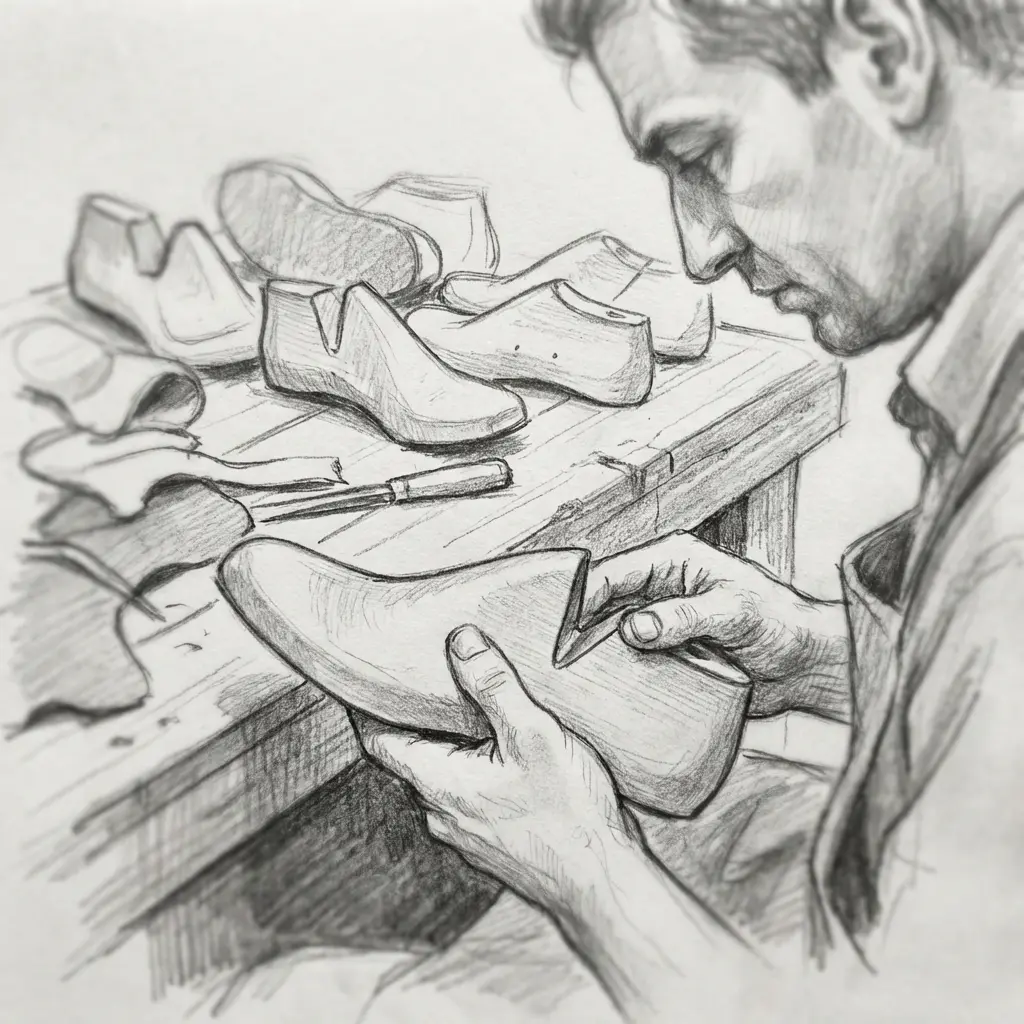
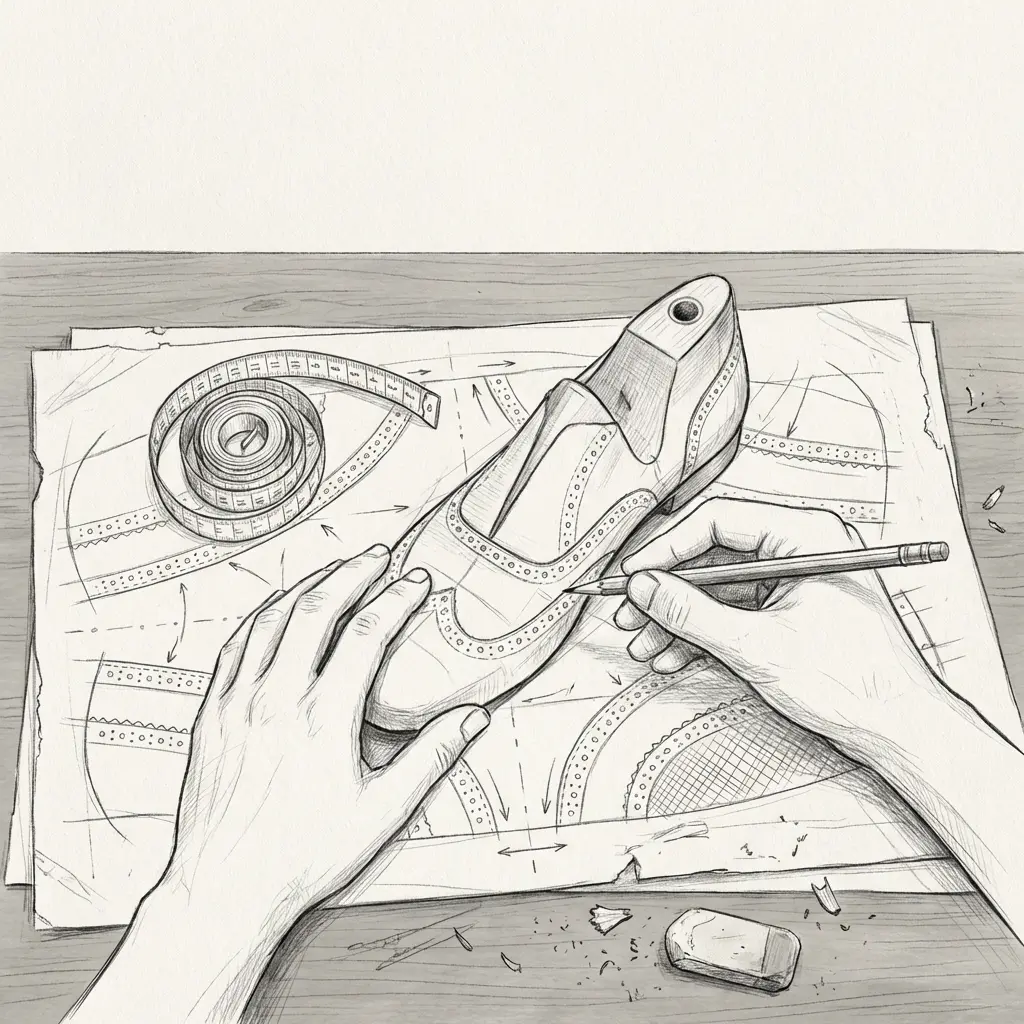
Every pair of shoes starts with a design. Shoemakers plan the look, shape, and purpose of the shoe based on style trends, comfort, and customer needs. The "last" is a mold shaped like a foot. It helps define how the shoe will fit. Choosing the right last is important—it affects comfort, size, and appearance. Skilled shoemakers keep improving their lasts to match both classic and modern designs.
Pattern Making and Cutting
2

Pattern Making and Cutting

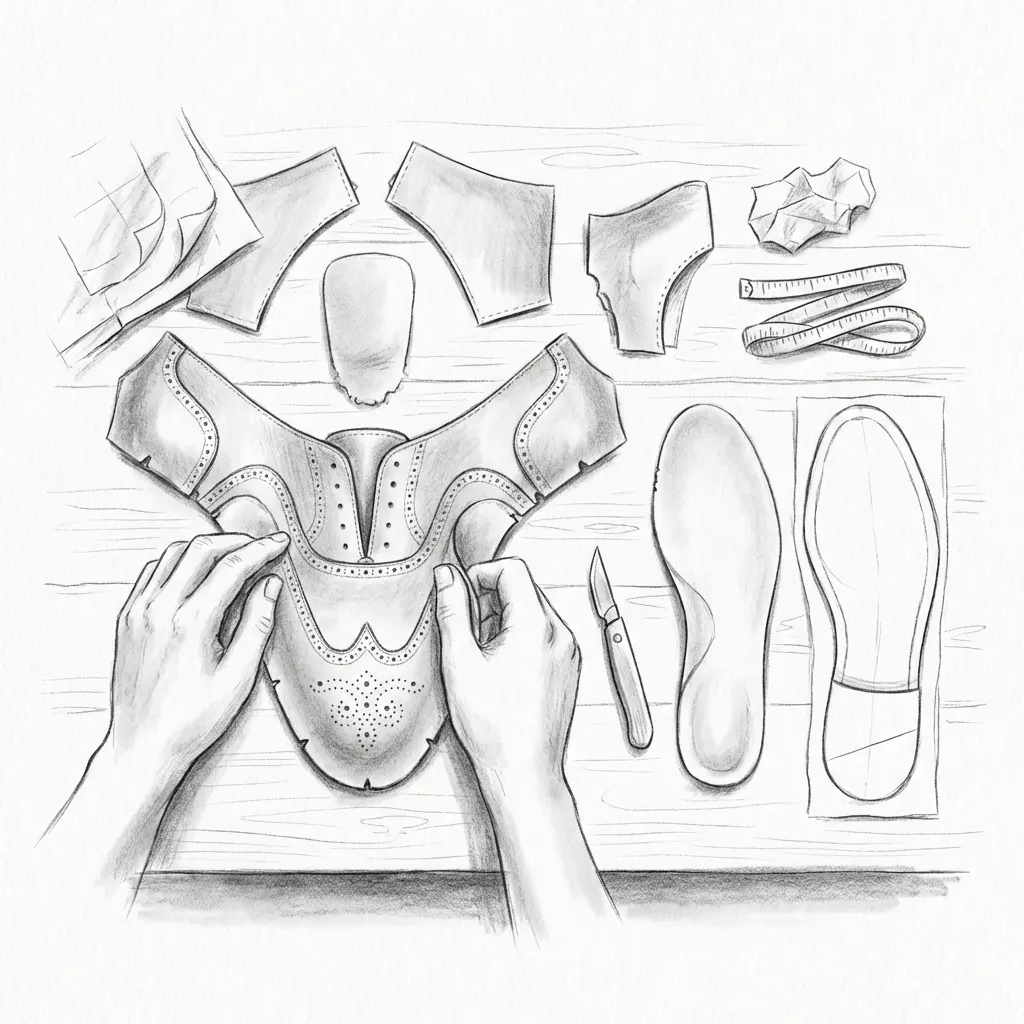
Once the design is ready, pattern makers create templates for every part of the shoe—like the upper, lining, and tongue. These templates guide how the materials are cut. Leather, suede, or fabric is then cut carefully to make sure both shoes match perfectly. The direction of the leather grain and its thickness are also checked to ensure long-lasting strength and good looks.

Component Preparation
3

Component Preparation

Shoemaking is not only about the outer layer. Inside parts like linings, insoles, and stiffeners are also prepared. Each piece is trimmed, shaped, and checked for quality. Glue, threads, and reinforcements are chosen for strength and flexibility. In high-end shoes, many parts are custom-made to improve comfort and performance.

Stitching Upper and Lining
4

Stitching Upper and Lining

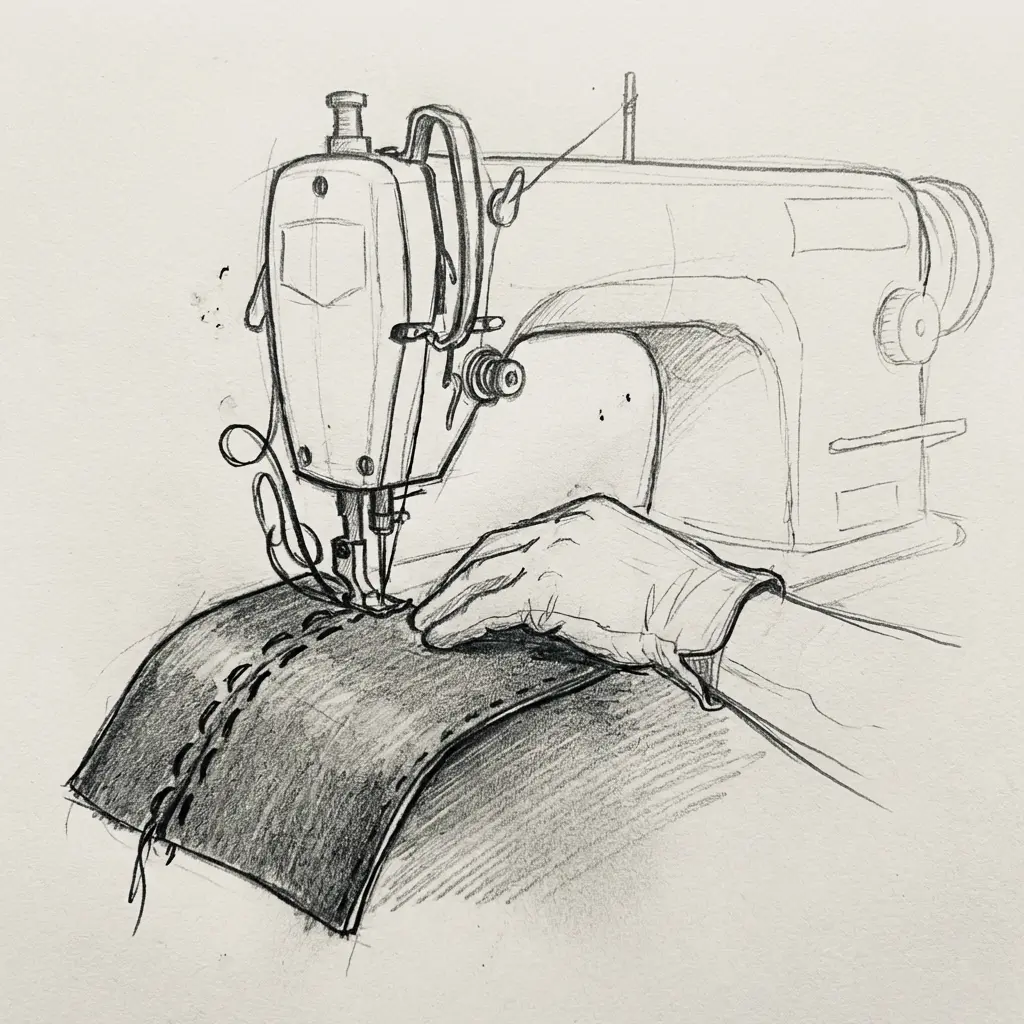
The upper and lining parts are stitched together with great care. The stitching must be strong and neat—any mistake can affect both comfort and appearance. This is also the stage where shoemakers may add details like eyelets, decorative stitches, or logos. Many luxury brands still prefer hand-stitching, as it adds durability and character to the shoe.

Lasting the Upper
5

Lasting the Upper

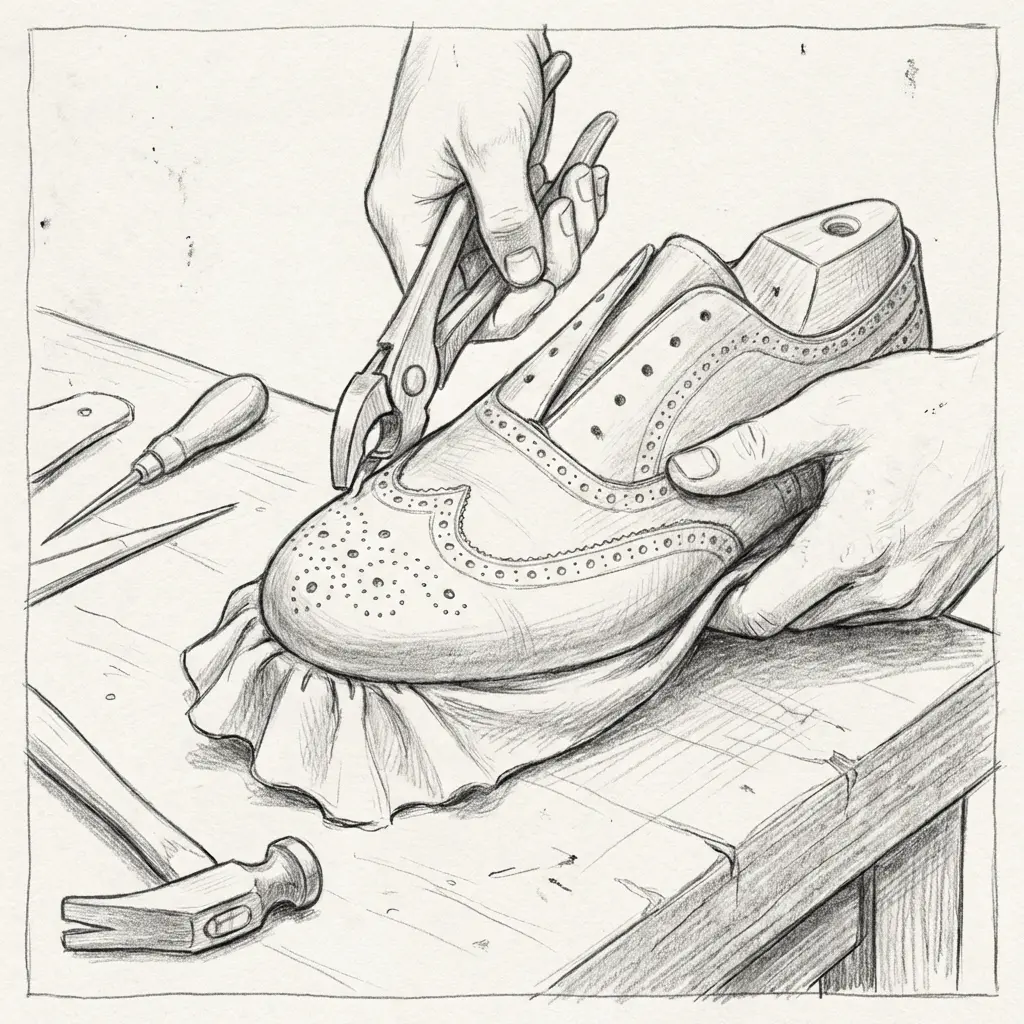
“Lasting” means pulling the stitched upper over the last to give it shape. This can be done by hand or by machine. The upper is stretched, adjusted, and attached to the insole using tacks or adhesives. This step defines the final shape and fit of the shoe, ensuring it hugs the foot properly without wrinkles or gaps.

Attaching the Sole (Bottoming)
6

Attaching the Sole (Bottoming)

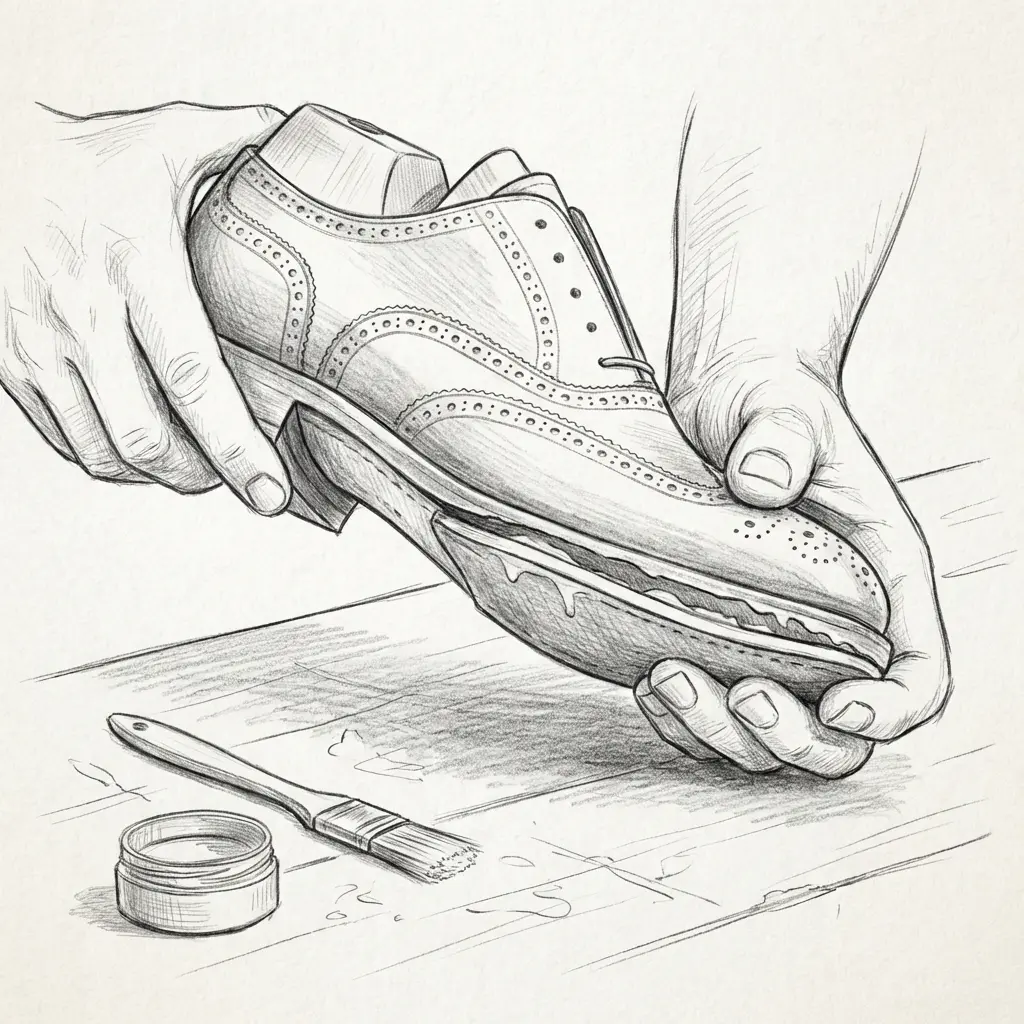
This stage, known as bottoming, involves attaching the sole to the upper. There are two primary construction methods used for this process. In welted construction, a leather strip called a welt is stitched between the upper and the sole. This technique—seen in Goodyear and hand-welted shoes—is valued for its durability, strength, and water resistance, and it allows for easy repairs. In contrast, cemented construction involves gluing the sole directly to the upper, resulting in a lighter and more flexible shoe, though it is generally less durable. This method is commonly used in casual or more affordable footwear. The construction method chosen has a significant impact on the shoe’s comfort, price, and lifespan.

Finishing and Quality Control
7

Finishing and Quality Control

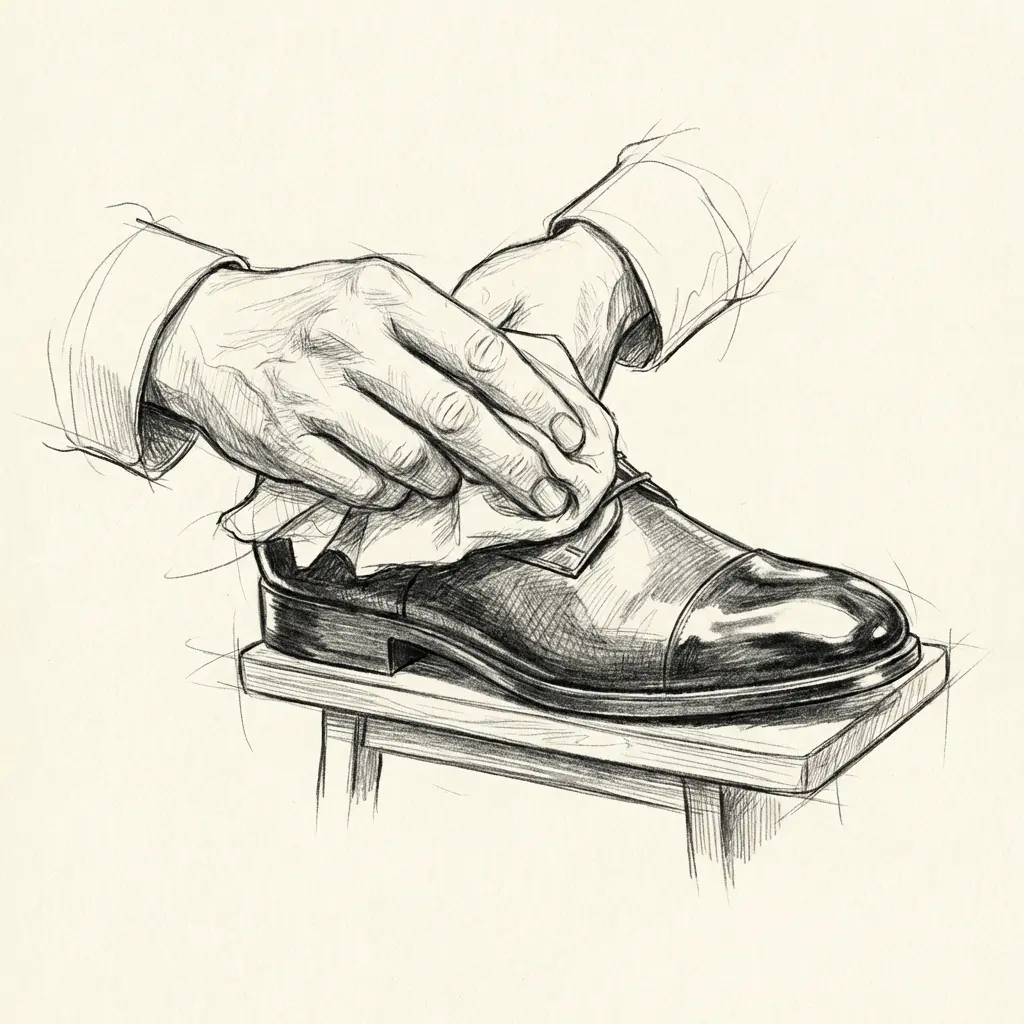
The final stage brings the shoe to life. Edges are trimmed and polished, soles are smoothed, and uppers are cleaned, dyed, or given a shine. Laces, insoles, and final touches are added. Every pair then goes through strict quality control to check fit, finish, and strength. Only the best-quality shoes make it to the store shelves.